
Fire Inspections: What Every Business Needs to Know to Stay Compliant and Protected
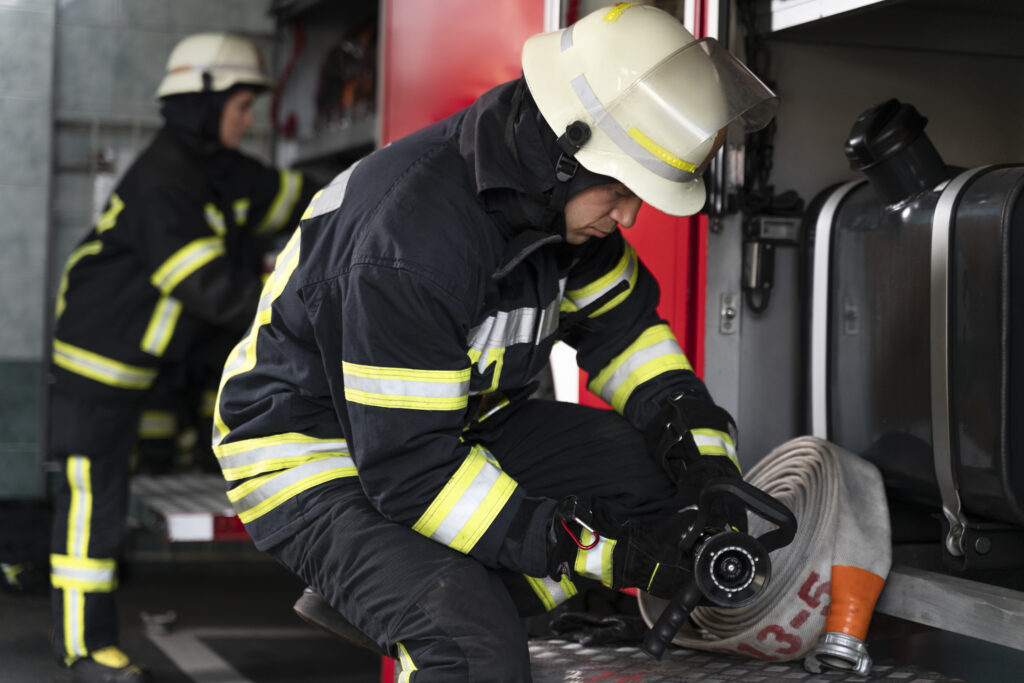
Ensuring your business is protected from fire hazards is more than just checking for compliance. It is about protecting your assets, employees, and reputation. Fire inspections can sometimes feel daunting to business owners. However, regular maintenance of the fire systems can turn this stressful task into a routine safety checkup. Here is everything that business owners should know to stay compliant and protected.
Components of Fire Compliance
To pass the inspection, your business should demonstrate that all life safety systems are working properly. Here are the key components that should be focused on:
1. Fire Extinguisher Readiness
Portable fire extinguishers are commonly used to handle small fires before they spread. An inspector checks if your extinguishers are accessible, mounted in visible locations, and not blocked by furniture or equipment. They also verify that units are fully charged with a pressure gauge in the green zone and carry up-to-date tags from regular inspections and pressure cycles.
2. Fire Suppression Systems
For big businesses, commercial kitchens and dining rooms act as high-risk areas. These businesses are equipped with specialized fire suppression systems. During an inspection, the commercial kitchen is checked for grease buildup in hoods, and it is verified that the wet chemical system is armed and serviced every six months. For environments with sensitive electronics or chemicals, dry chemical systems are tested to ensure they deploy correctly without damaging equipment.
3. Fire Alarm and Sprinkler Systems
A fire alarm is the brain of the fire safety strategy. During inspections, inspectors verify whether the smoke detectors, pull stations, and sirens are functional. Similarly, fire sprinkler systems should be free of obstructions. Nothing should be hung from sprinkler pipes, and there must be at least 18 inches of clearance below the sprinkler heads to allow for proper water distribution.
4. Egress and Exit Paths
Every second counts during an emergency. Inspectors walk your exit paths during fire inspections to ensure the exit signs are illuminated at all times and that emergency lighting and backup batteries are working properly so that hallways stay lit during a power failure. They also check to ensure that all paths are clear, and hallways, stairwells, and exit doors are not used for storage.
Why Fire Inspection Matters
Local fire insurance providers need regular fire inspection reports to determine if your business’s fire protection system is functional and the environment is safe. These inspections verify that your property meets the standards set by the National Fire Protection Association (NFPA). Beyond avoiding fines, these checks are your first line of defense against a fire hazard.
Common Mistakes to Avoid
Many businesses fail inspections due to simple mistakes that can be easily avoided. Some common mistakes include using temporary extension cords permanently, which is a major code violation. Similarly, fire doors are designed to stop the spread of smoke and flames. Wedging them open defeats their purpose. Outdated logs also create bottlenecks during fire inspections. It is vital to keep a folder of service receipts and inspection tags for the fire inspector.
Partner with FireMaster
Ensuring fire safety compliance can be challenging for some businesses. At FireMaster, we provide comprehensive fire protection services. From fire suppression system installation to service and maintenance, we ensure your business is fire inspection-ready. Partner with us to keep your business well-protected.