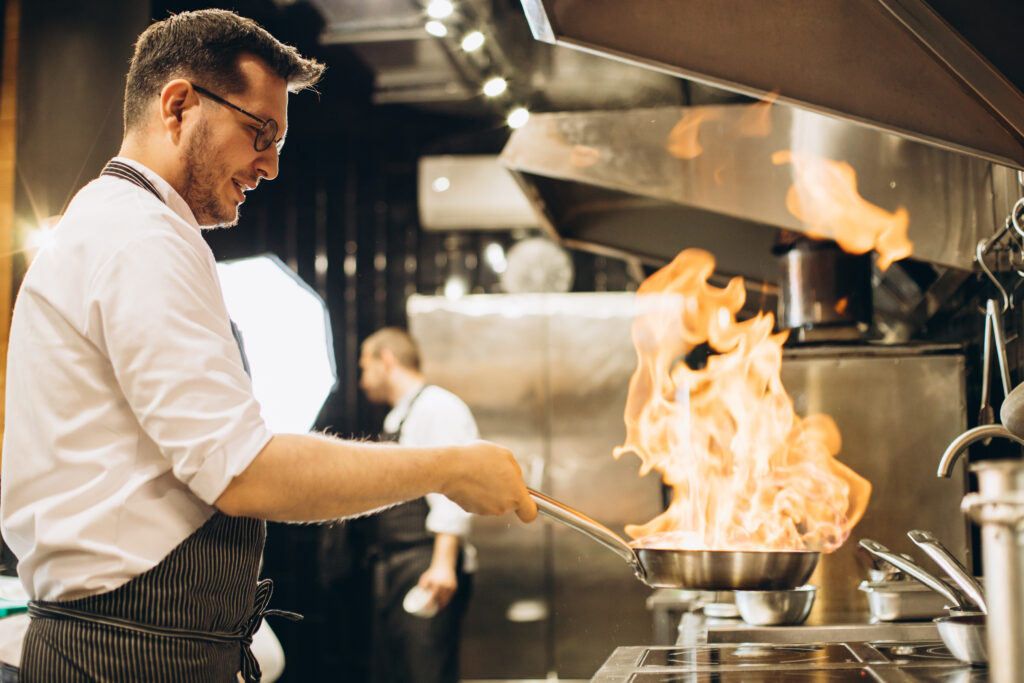
From Flames to Safety: Protect Your Kitchen from Industrial Cooking Fire
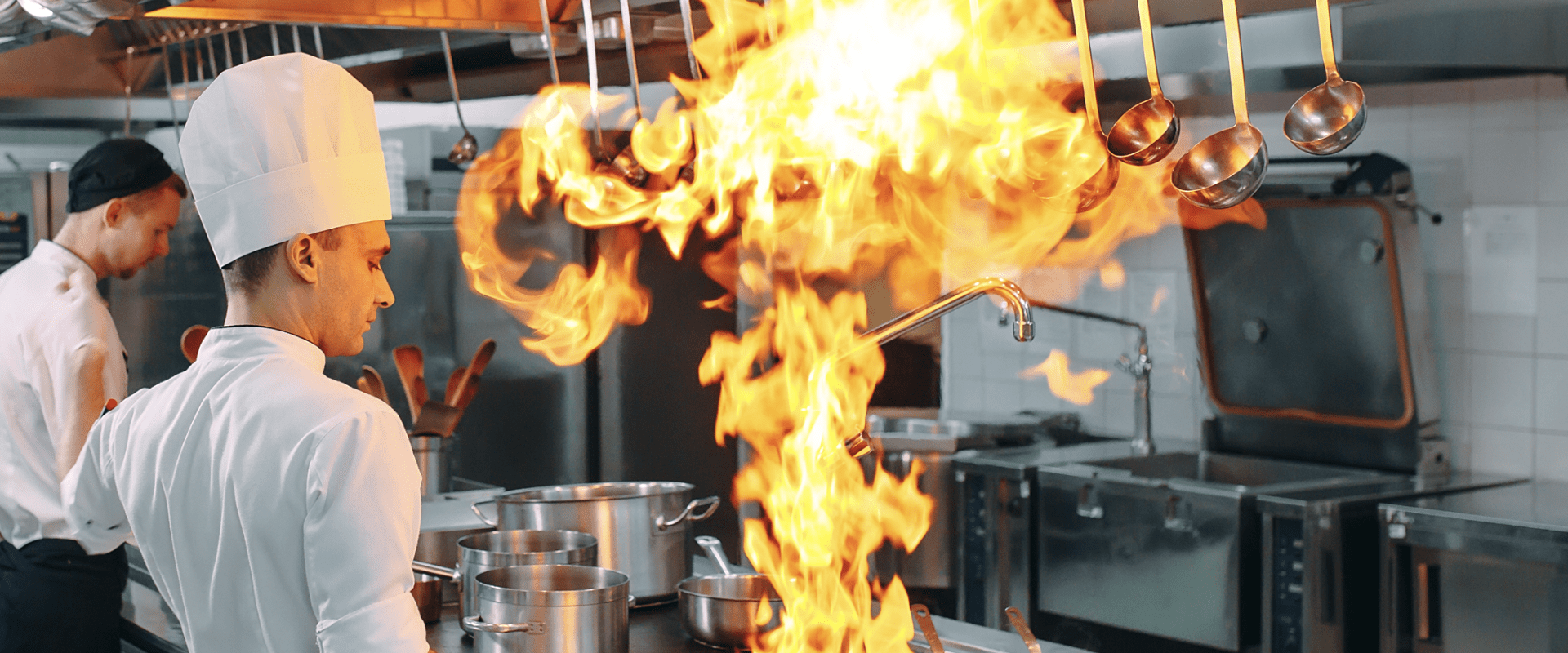
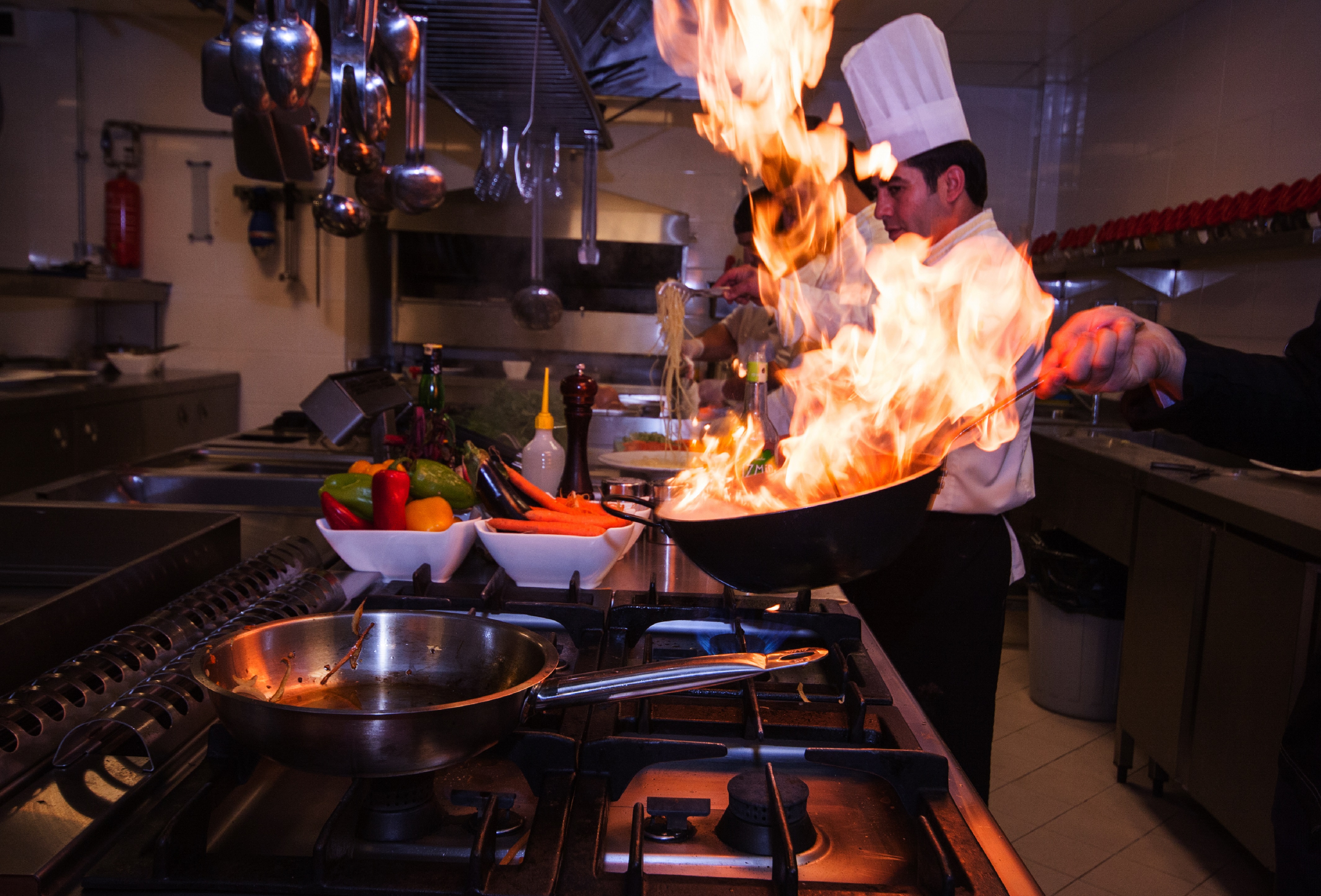
According to the National Fire Protection Association (NFPA), there are over 7,000 fire incidents that occur annually in eating establishments across the United States.
Restaurant kitchens are intricate settings that demand more rigorous safety measures than residential kitchens.
Given the multitude of burners functioning simultaneously, the risk of outbreaks is huge.
To avert catastrophic consequences resulting from a fire, it is crucial to have a system in place. You can consider installing industrial and commercial cooking fire suppression systems that cater to the unique safety requirements of your kitchen. They are essential in any setting where cooking is done using open flames and help to minimize property damage and prevent injury to personnel.
Typically, they consist of several key components. These include heat and smoke detectors, suppression agents, and control panels. The detectors are strategically placed in areas of the kitchen where the risks are the highest. Such places include stovetops, grills, and deep fryers. These detectors continuously monitor for any signs of smoke. When triggered, they activate the suppression system.
Types of Commercial Cooking Fire Suppression Systems :
Wet Chemical Systems: They are designed to extinguish fires that occur in commercial cooking equipment, such as deep fryers, grills, and range hoods.
These systems work by releasing a fine mist of potassium carbonate. It reacts with the oil in the cooking equipment to create a soap-like foam that extinguishes the fire.
Wet chemical systems are typically installed above or near the cooking equipment. Moreover, they are often required by local codes.
Dry Chemical Systems: The dry chemical systems extinguish industrial cooking fires that occur in ducts and flues. These systems work by releasing a dry chemical powder that smothers the fire. Thus, preventing it from spreading further.
Dry chemical systems are usually installed in the exhaust that connects the cooking equipment to the outside of the building.
However, these agents can be messy and difficult to clean up. This can be a major concern for the workers of commercial kitchens.
Carbon Dioxide (CO2) Systems: These are specifically required to extinguish fires that arise from electrical equipment that cannot be cooled by water. CO2 works by displacing the oxygen in the air, thereby suffocating the fire.
This agent is particularly effective in enclosed spaces wherein the gas can quickly fill the area.
Foam Systems: Foam fire suppression systems use a mixture of water and foam concentrate for extinguishing. They work by cooling the surface and forming a barrier between the fuel and oxygen.
Foam systems are effective in fighting fires that involve flammable liquids like oil and gasoline.
Protect Your Commercial Kitchen With FireMaster’s Proven Safety Solutions
At FireMaster, we can make your job easier by handling the installation of your industrial cooking fire suppression system. Our team holds huge experience in assessing the specific needs of your commercial kitchen. We take into account the type of cooking equipment, the layout of the kitchen, and the local codes.
We offer new system installations, upgrades, and modifications to existing systems to meet the current guidelines set by state authorities. Our customized industrial cooking fire suppression systems, coupled with our network of experts, provide a reliable backup solution. We take great pride in delivering the highest quality services to our customers across the U.S.
Choose us as your partner for creating a safer industrial cooking environment and be worry-free!